How the region celebrates green building
For years, at the height of summer, the Washington, DC green-building community has gathered to honor the projects and people moving sustainability forward. This is an independent look at that tradition — and at what makes a project worth celebrating.
A note on independence: Midsummer Green is not an awards program and does not administer, judge, or accept applications for any award. We do not represent any organization. This page is evergreen editorial commentary on why recognition matters and what excellence looks like in regional green building. If you are seeking an official program, please visit the organizing body’s own website.
Why recognition matters
Awards can seem like decoration, but in a technical field they do real work. Green building is hard to see and easy to fake, so credible recognition helps the public and the industry tell genuine achievement from marketing. It rewards teams who took risks, shares hard-won lessons across the profession, and gives owners a reason to aim higher than code. In a region as project-dense as greater Washington, celebrating the best work sets a standard that lifts everything built afterward. Professional bodies such as the American Institute of Architects have long used design awards for exactly this purpose.
A midsummer tradition
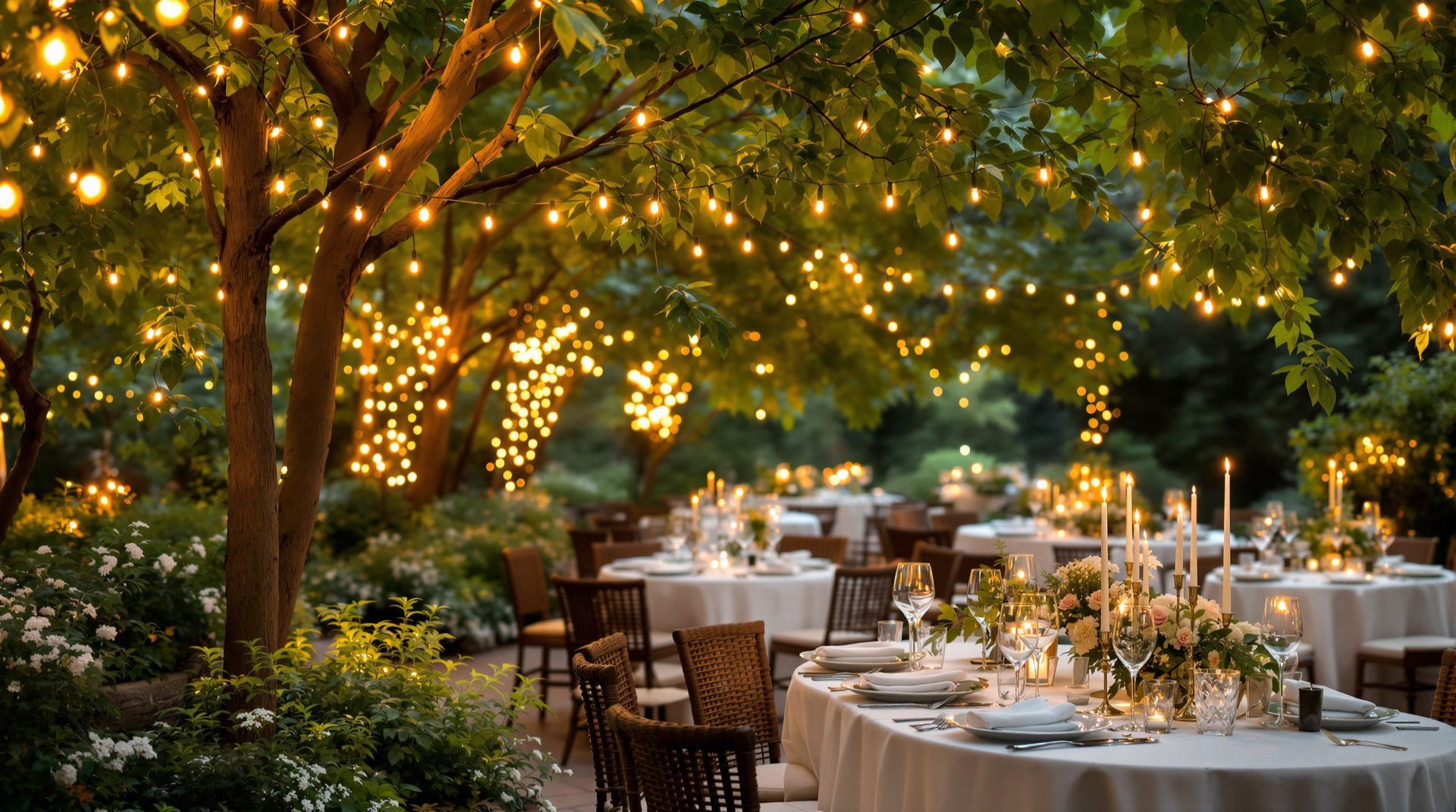
There is a reason so many communities hold these celebrations in summer. The season is generous with daylight and warmth, it invites people outdoors and together, and it offers a natural pause between the push of one project year and the next. Gathering in a garden or on a waterfront at the height of summer to honor good work is partly practical and partly poetic — a reminder that buildings exist to serve human life, which is at its most vivid outdoors on a long, warm evening. The name of this site borrows that spirit without claiming any particular event.
Whatever the setting, the substance is what lasts. Behind every celebration is a body of work — drawings, decisions, measured results — that other teams can study and build upon. The ceremony fades by morning; the lessons do not.
The categories of achievement
Across the region, recognition has traditionally spanned a few kinds of contribution, and they are a useful lens for anyone judging their own work.
- Project excellence. A specific building or renovation that achieved outstanding sustainable performance — new construction, existing-building upgrades, interiors, or neighborhood-scale work.
- Individual and organizational leadership. People and institutions whose sustained advocacy, mentorship or policy work advanced green building beyond any single project.
- Community impact. Efforts that extended the benefits of green building to more people — especially schools, affordable housing and public spaces.
- People’s choice. Projects that captured the public’s imagination, a reminder that sustainability also has to inspire.
What makes a project award-worthy
Strip away the ceremony and the same qualities tend to define the projects that stand out.
Measured, not merely intended, performance
The strongest projects can show what they actually achieved — energy and water saved, waste diverted, comfort delivered — with data, not just design goals. Verified results always beat good intentions.
Ambition matched to context
A deep-energy retrofit of a century-old building and a net-zero new school are different feats, but both can be exemplary. Judges look for ambition relative to the constraints a team faced.
Replicable lessons
The best work teaches. A project that pioneers an approach others can adopt — a cost-effective envelope detail, a smart procurement model, a community-engagement method — multiplies its own impact.
People at the center
Award-worthy buildings are healthy and comfortable for the people who use them. Sustainability that ignores occupants is incomplete.
Care for the people who built it
A quality that rarely appears on an entry form, but shows up plainly in the projects worth studying, is how the work itself was carried out. A build that hit its energy targets by running crews through unshaded July afternoons, or by leaving trade contractors to absorb every schedule compression, has bought its numbers at a cost that no plaque records. The teams that stand out tend to be the ones who planned the site as carefully as the building — shade and water where people actually take breaks, prefabrication that moves work indoors, and a schedule with enough slack that safety is not the variable that gives.
Learn from the best work
The most useful thing about celebrating green building is that it leaves a trail others can follow. Explore our roundup of notable regional projects to see these qualities in the wild, read about the broader regional movement that produced them, or browse the journal for shorter reflections on sustainable design.