How to plan a greener event
Sustainability is not only about buildings. Any gathering — a conference, a fundraiser, a summer celebration — has an environmental footprint, and thoughtful planning can shrink it without dimming the experience.
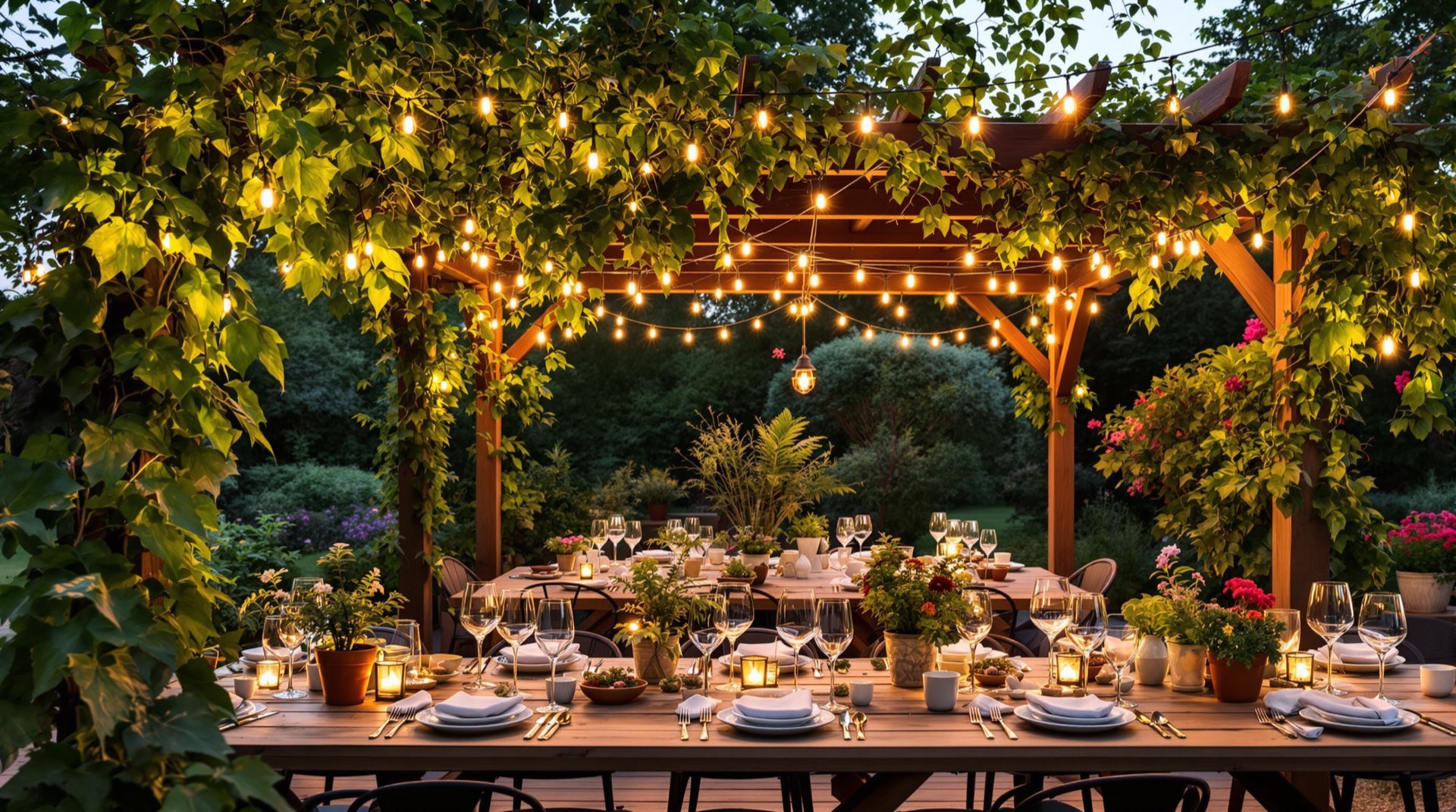
The regional green-building community has long practiced what it preaches at its own gatherings, and the lessons generalize well. Here is how to plan an event with the planet in mind.
Choose the venue wisely
The single biggest decision is where you meet. A green or efficient venue, ideally one reachable by transit and walking, sets the tone and cuts emissions before the first guest arrives. Reusing an existing space beats building or renting temporary infrastructure, and a venue with good daylight needs less electric lighting during the day.
Design out the waste
Most event waste is designed in through single-use everything. Favor reusable or genuinely compostable serviceware, provide clearly labeled recycling and composting stations, and skip disposable giveaways that end up in landfills. The EPA stresses that reducing and reusing beat recycling — so the best waste is the waste you never create. Going digital for tickets, programs and signage removes a whole category of paper.
Rethink the menu
Food is often an event’s largest hidden footprint. Seasonal, local and plant-forward menus cut emissions and usually taste fresher; ordering carefully and planning to donate surplus prevents the waste of good food. Serving tap water instead of bottled removes mountains of plastic.
Mind the energy
Outdoor evening events can lean on daylight and, later, efficient LED string lighting. If you need power, efficient equipment and, where available, renewable energy make a real difference. Small choices — turning off equipment when idle, using efficient sound and lighting — add up across a full day.
Make sustainable travel easy
Guest transportation is frequently the largest source of an event’s emissions. Choosing a transit-accessible location, sharing clear directions for transit, biking and walking, and encouraging carpooling all help. For multi-day events, a central, walkable location reduces the need to drive between venues.
Start where you are
None of this requires overhauling everything at once. If you host a recurring event, pick two or three changes this year — say, ditching bottled water, going digital for programs, and choosing a transit-accessible venue — and build from there. Small, visible steps are easier to sustain than an all-or-nothing green makeover, and they let your team and guests adjust. Over a few cycles, choices that once felt like extra effort become simply how you do things, and the footprint keeps shrinking without heroics.
It also helps to name someone responsible. Just as buildings perform best when an owner keeps paying attention, events get greener when one person owns the goal and checks the results afterward. That accountability, more than any single tactic, is what separates a genuinely sustainable event from one that merely means well.
Tell people what you did
Sharing your choices — and their results — turns one greener event into a template others copy. It also holds you accountable to do better next time. The point is not perfection but steady, visible progress, the same philosophy that runs through all of green building. For more, browse the journal or return to the green building guide.