What is green building?
Green building is the practice of designing, constructing and operating buildings that use resources efficiently, protect the health of the people inside, and reduce their impact on the environment over an entire lifetime — from raw materials to demolition.
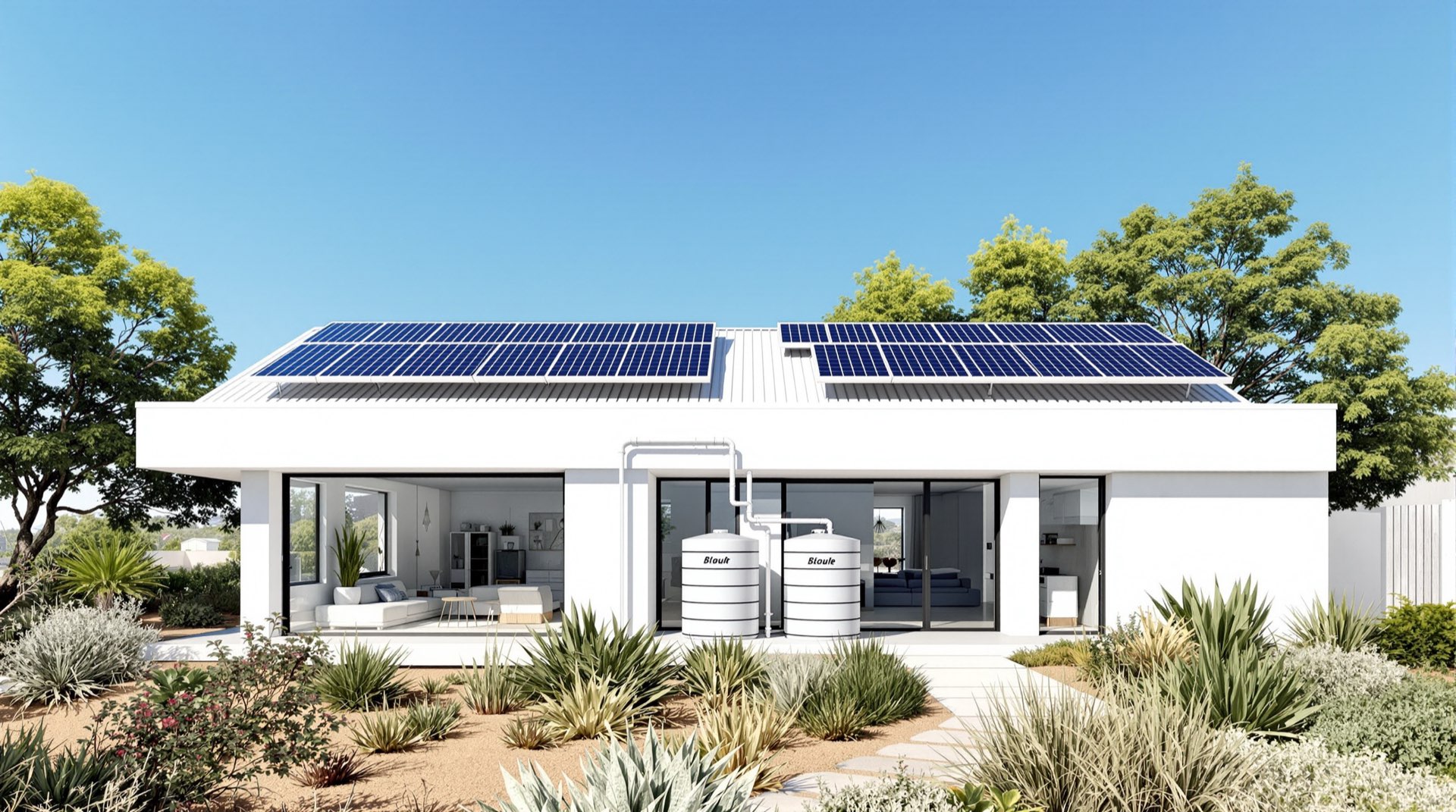
That is the textbook definition, and it is a good one, but it can feel abstract. In practice, a green building is simply one that has been thought about carefully at every stage. The people who make it ask, again and again, a small set of questions: How can this building need less energy and water? Where will its materials come from, and where will they go? Will it be a healthy, comfortable place to spend time? And will it still be performing well in twenty years? The U.S. Environmental Protection Agency frames green building around exactly these lifetime impacts.
The core principles
Almost every green-building framework, however it is scored, comes back to the same handful of ideas.
1. Energy efficiency
Buildings account for a large share of national energy use, so cutting that demand is the single highest-impact move. Efficiency starts with the “envelope” — the walls, roof, windows and air-sealing that separate inside from outside — and continues through efficient heating, cooling, lighting and controls. A well-designed envelope can cut heating and cooling loads so far that mechanical systems shrink, saving money twice. We cover this in depth on our energy-efficiency page.
2. Water stewardship
Green buildings reduce the water they draw and the stormwater they shed. Efficient fixtures, leak detection, drought-tolerant landscaping, and systems that capture rainwater or reuse graywater all lower demand on municipal supply. Managing rain where it falls — with green roofs, permeable paving and rain gardens — also protects local rivers, a serious concern in the Chesapeake Bay watershed that drains most of this region.
3. Healthy, responsible materials
Every material carries an “embodied” footprint from extraction, manufacturing and transport, and some release chemicals into the air indoors. Sustainable projects favor durable, low-emitting, and responsibly sourced products, and increasingly account for embodied carbon — the emissions locked into concrete, steel and other materials before a building even opens.
4. Indoor environmental quality
People spend the overwhelming majority of their lives indoors, so air quality, daylight, ventilation and thermal comfort matter enormously. Good ventilation and low-emitting materials reduce indoor pollutants, and access to daylight and views measurably improves comfort and well-being. Poor indoor air is a documented health risk, which is why the EPA treats it as a priority.
5. Site and community
Where a building sits shapes its impact. Reusing an existing structure, building on already-developed land, and locating near transit all cut the emissions of the building and of the trips people make to reach it. Thoughtful siting also protects habitat, tree canopy and open space.
Why it matters — beyond the environment
Green buildings are not only an environmental good; they are usually a financial and human one. Lower utility bills, reduced maintenance from durable systems, higher occupant satisfaction, and resilience during heat waves or power disruptions all follow from the same design decisions. As the Department of Energy notes, efficiency improvements often pay for themselves through the savings they generate.
Where to begin
If this is new to you, do not start with technology — start with the ideas. Read our principles of sustainable design to understand how buildings save energy before any equipment is added. Then, if you are weighing a certification, our guide to rating systems explains what those labels do and don’t mean. And when you are ready to act, our getting-started page lays out sensible first steps for owners and professionals alike.